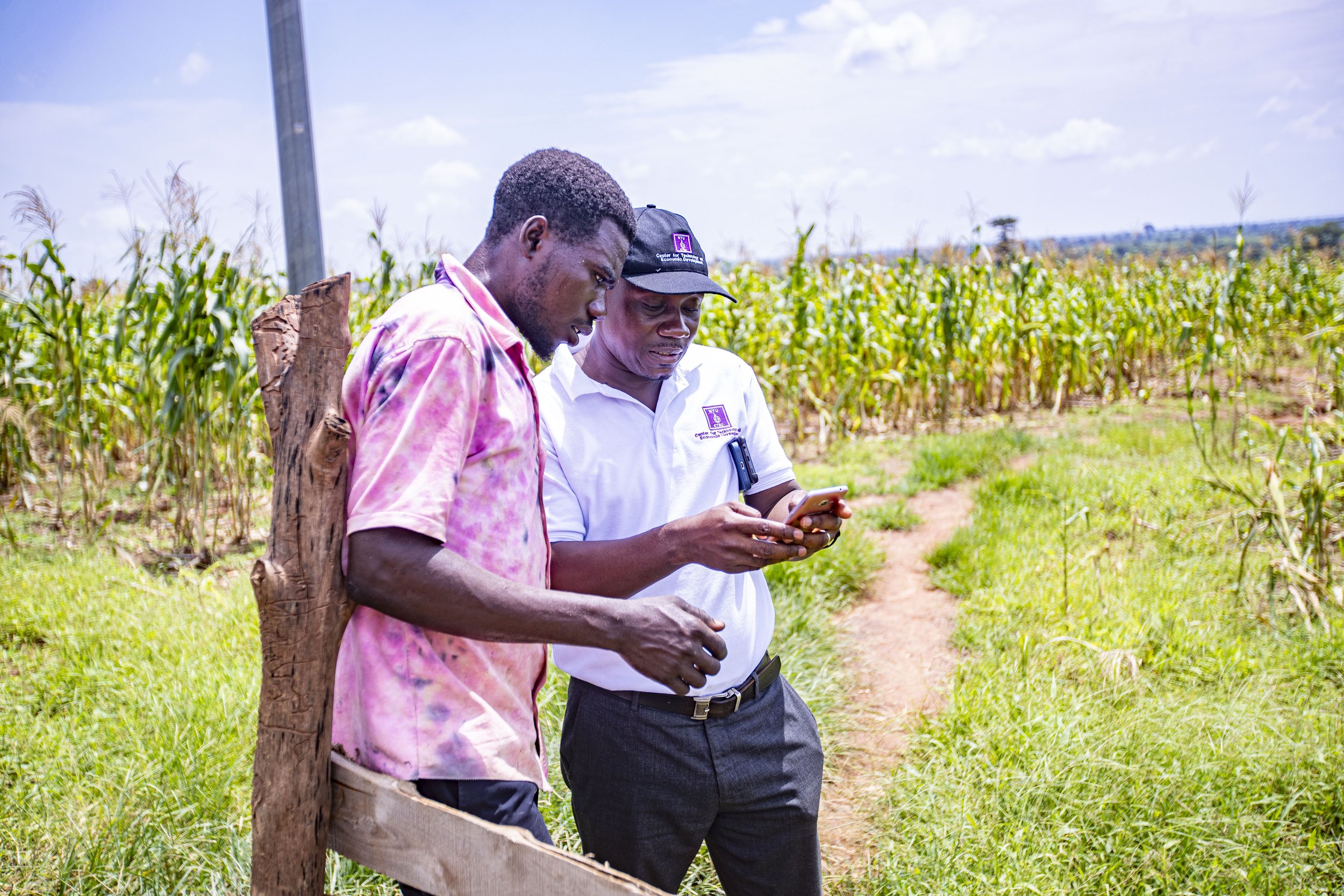
CTED is dedicated to solving critical economic challenges in sub-Saharan Africa through innovative, technology-driven solutions.
The issues - missing markets for agricultural products, inefficient land administration, and limited financial access for smallholder farmers - not only hinder the growth of the local economies but also deepen poverty and create systemic barriers to development.
CTED’s long-term vision does not rely on aid as a solution, rather creating market-based and tech innovations to foster self-sustaining, competitive markets with the help of technology rather than perpetuating dependency on aid.
Since its founding in 2010, CTED has housed several research projects aiming to tackle a wide range of developmental problems across areas including: migration, commodities trading, artificial intelligence, GIS mapping, remittances, food and water, healthcare, financial access, energy, and education. CTED projects have been pilot-tested in many countries in Asia, Africa, America, and the Middle East in partnership with several organizations in the individual countries.
CTED has branches at New York University Abu Dhabi (UAE) and New York (USA), Accra and Kumawu (Ghana), and at EBS Universität (Germany).
Our Core Pillars
-
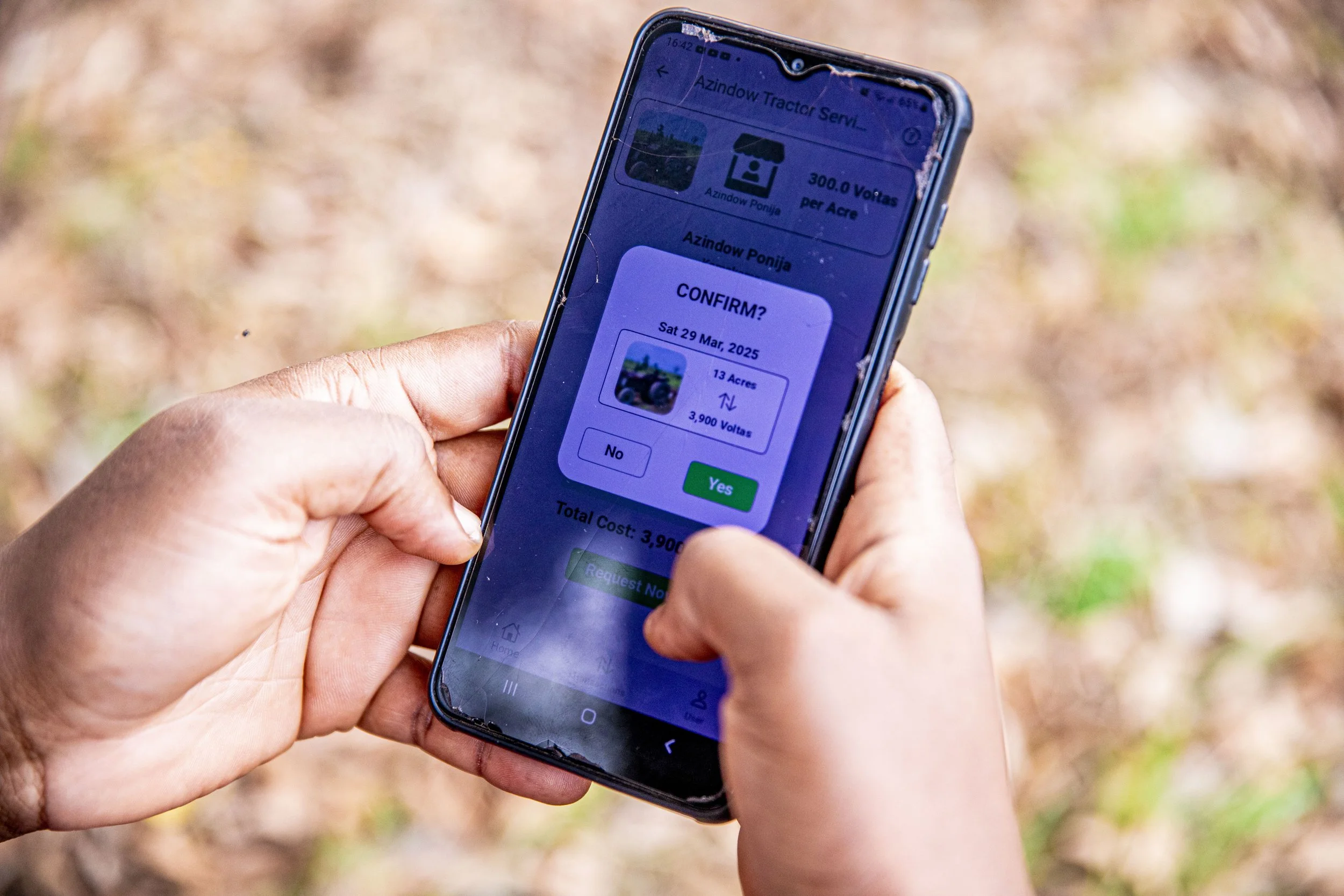
Financial Access & Market Integration for Farmers
-
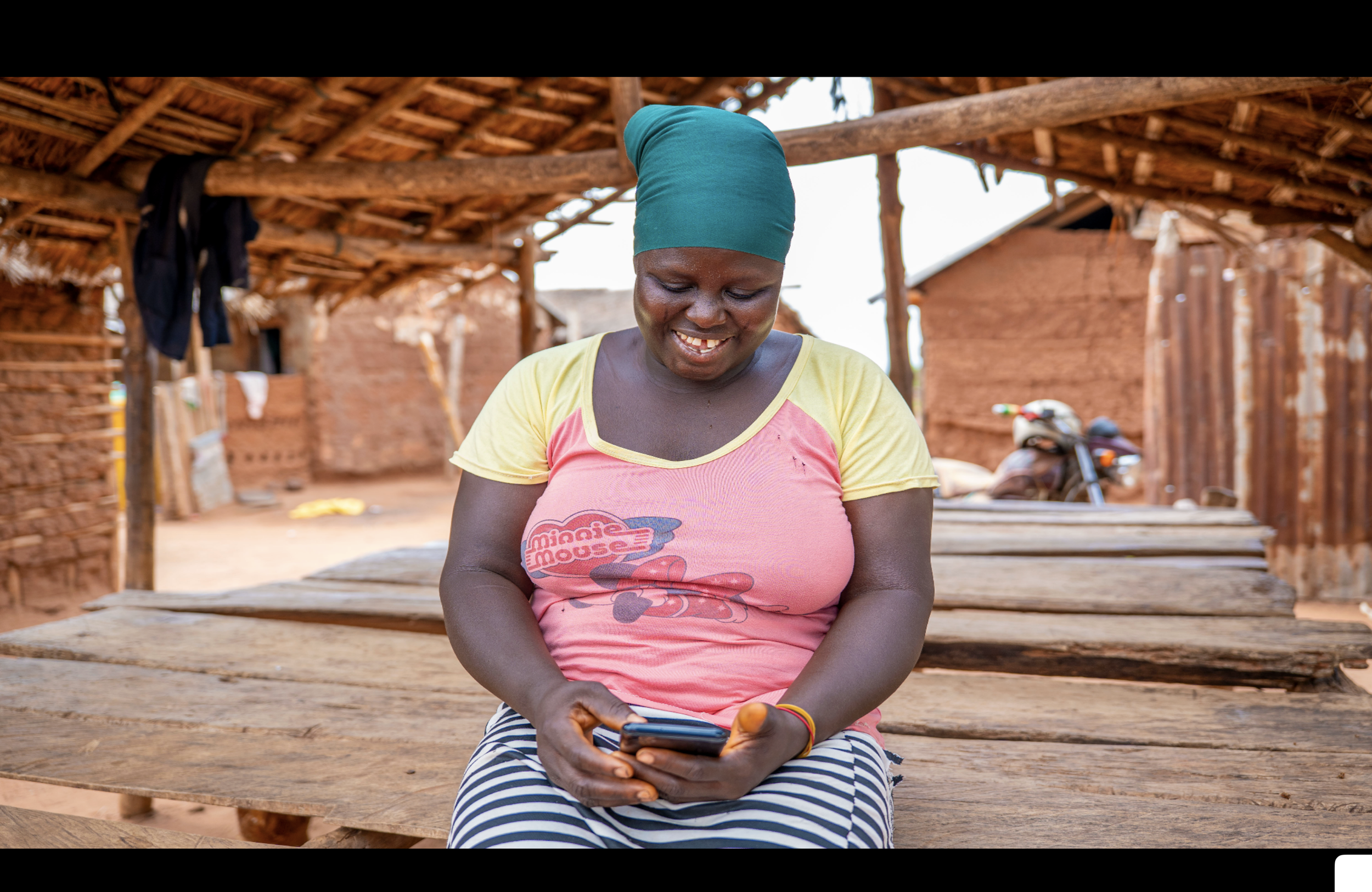
Blockchain for Financial Inclusion
-
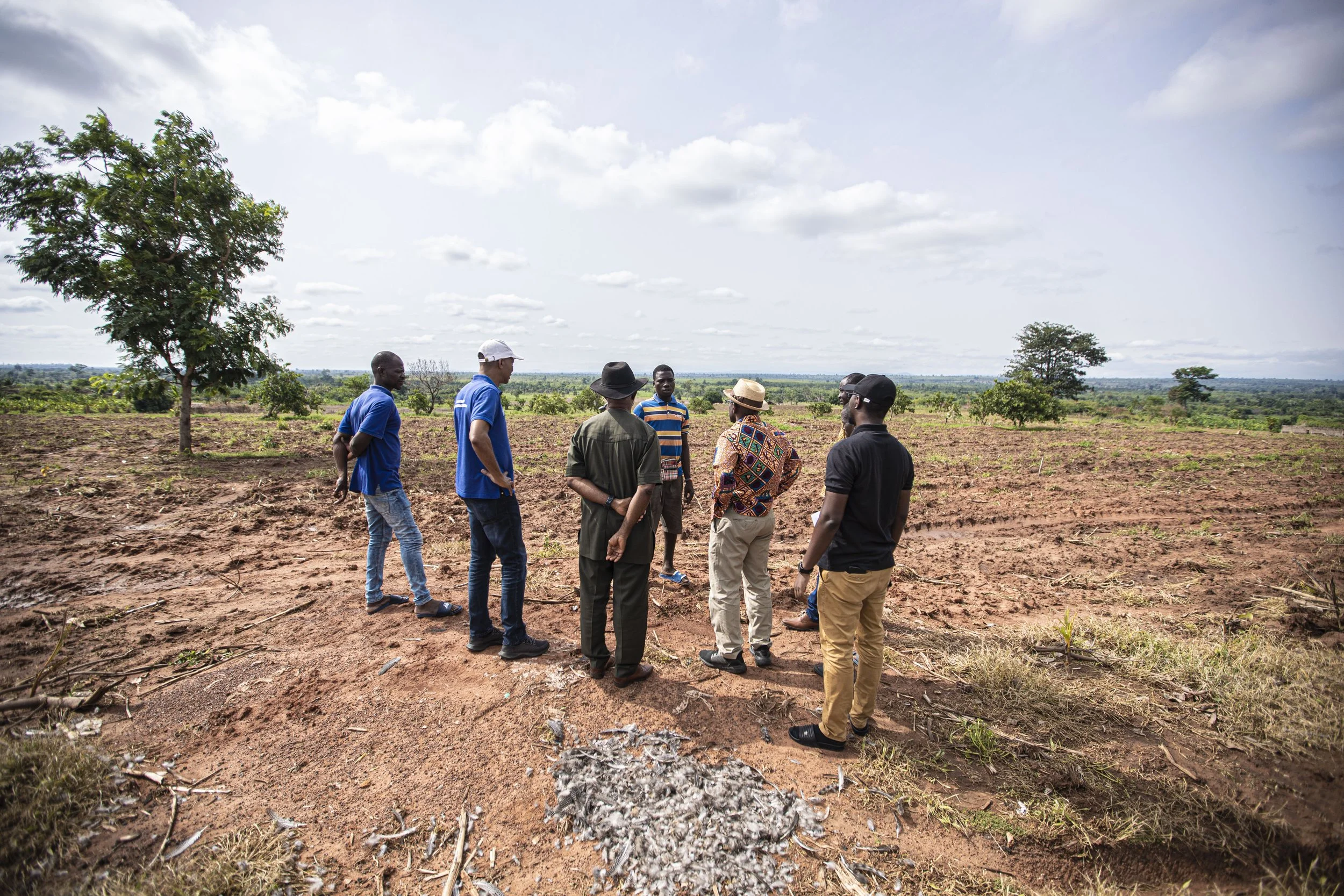
Enhancing Land Administration & Governance
-
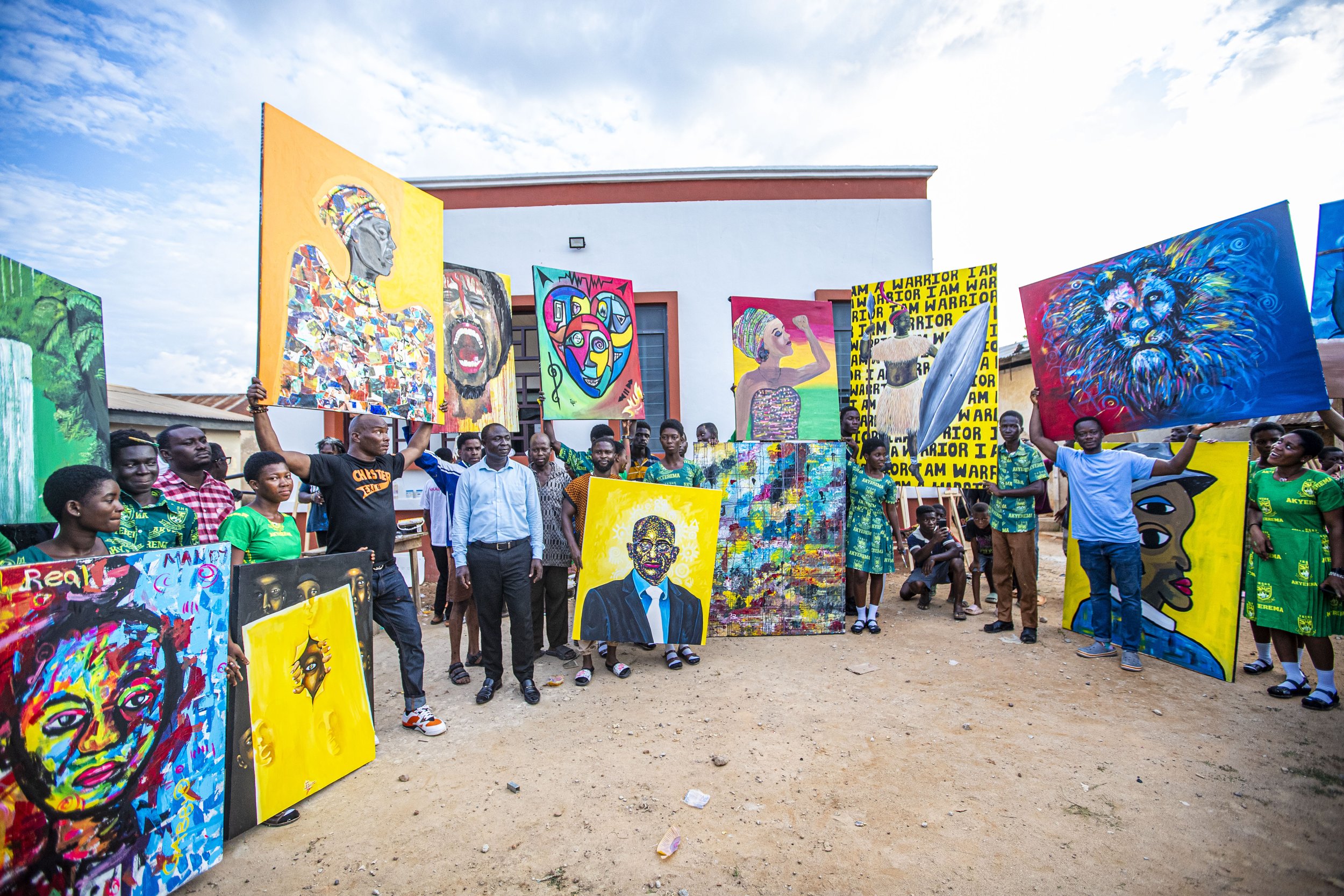
Art, Tourism, & Cultural Heritage Development
Our Partners
NYU’s Development Research Institute (DRI) unites research, dialogue, and strategy to empower citizens, build resilient nations, and foster allied collaboration. With its Wahba Initiative, the Financial Access Initiative, Africa House, and others, DRI advances solutions at the crossroads of development, infrastructure, trade, technology, and geopolitics.
NYU Africa House is devoted to the study of contemporary Africa, focusing on economic, political, and social issues on the continent and programs in the arts. Part of Africa House’s core mission is to advance the understanding of the links between Africa and the rest of the world, through social, historical, economic, and other lenses. Related to this, Africa House has relationships with the African immigrant communities in New York City.
Our Collaborators