
Digital Trading and Market Platforms: Ghana Case Study
In many poor nations and areas, the lack of markets is a major constraint to economic development. We will focus in this paper on smallholder agriculture, primarily in sub-Saharan Africa. In these areas, farmers would want to increase their outputs but worry that they will not find buyers for their crops at a good price. Buyers and traders similarly often have needs for agricultural goods and often cannot find farmers to supply those goods at the right quality and consistency over time. Potential agricultural food processing industrialists would want to set up their factories but also fear that they will not be able to reliably and consistently obtain the inputs for their goods.
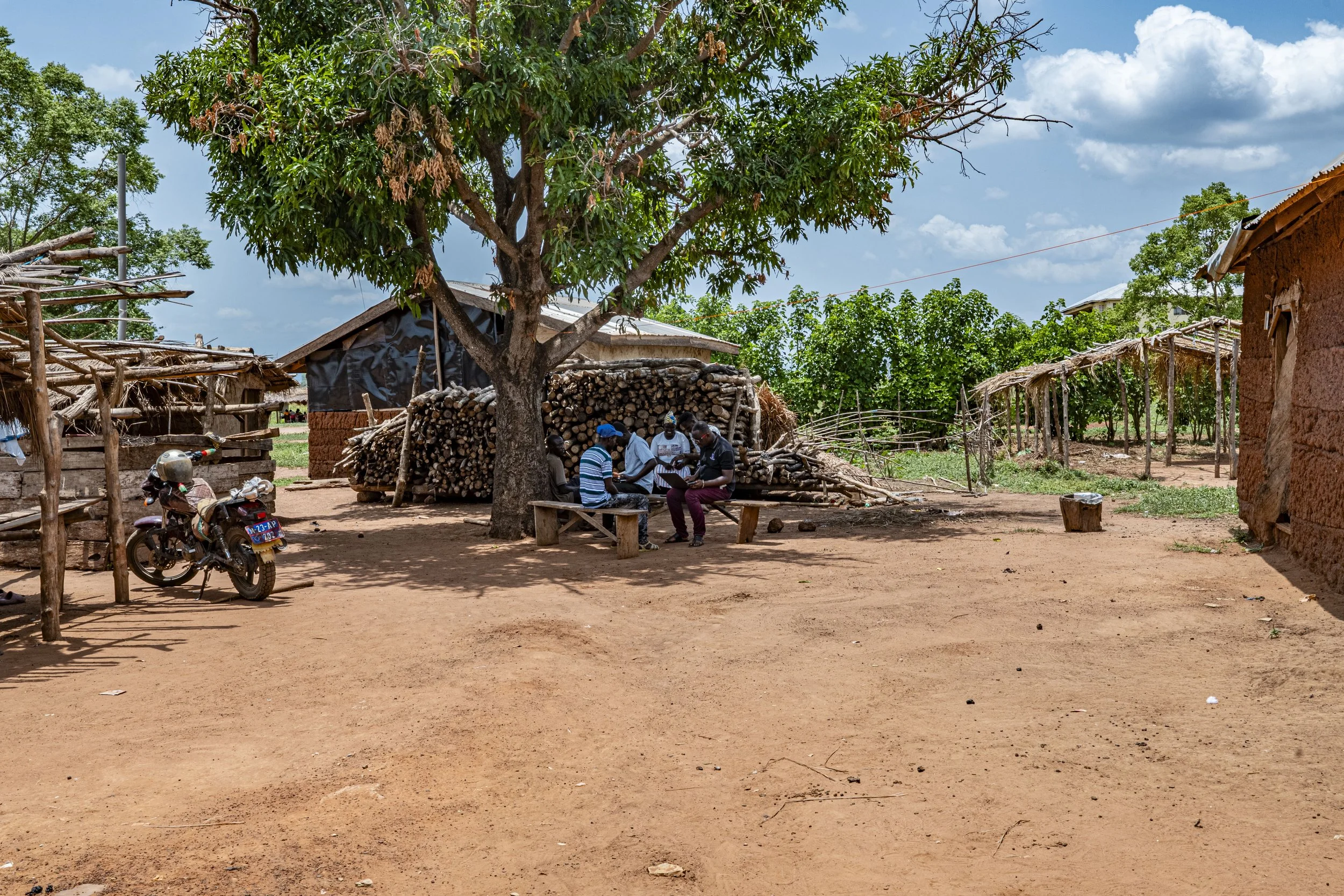
Price information, inter-village networks, and “bargaining spillovers”: Experimental evidence from Ghana
Through a randomized experiment and detailed data on inter-village communication, we identify the impact of providing commodity price information to smallholder farmers. For yam, a crop with high prevalence of bargaining, the intervention leads to a 9% increase in the prices received by farmers in the treatment group in the first year and possibly to mixed indirect effects in the second year in areas with high density of treatment. While control farmers do not gain price information, we speculate that bargaining spillovers might lead to indirect benefits and capture this intuition in a formal model. The intervention has no impact on other crops grown in the area, which are characterized by different market structures and lower incidence of bargaining. The results expand our understanding of the market structure characteristics that affect the effectiveness of ICT interventions and highlight the importance of considering longer-run inter-village spillover effects.
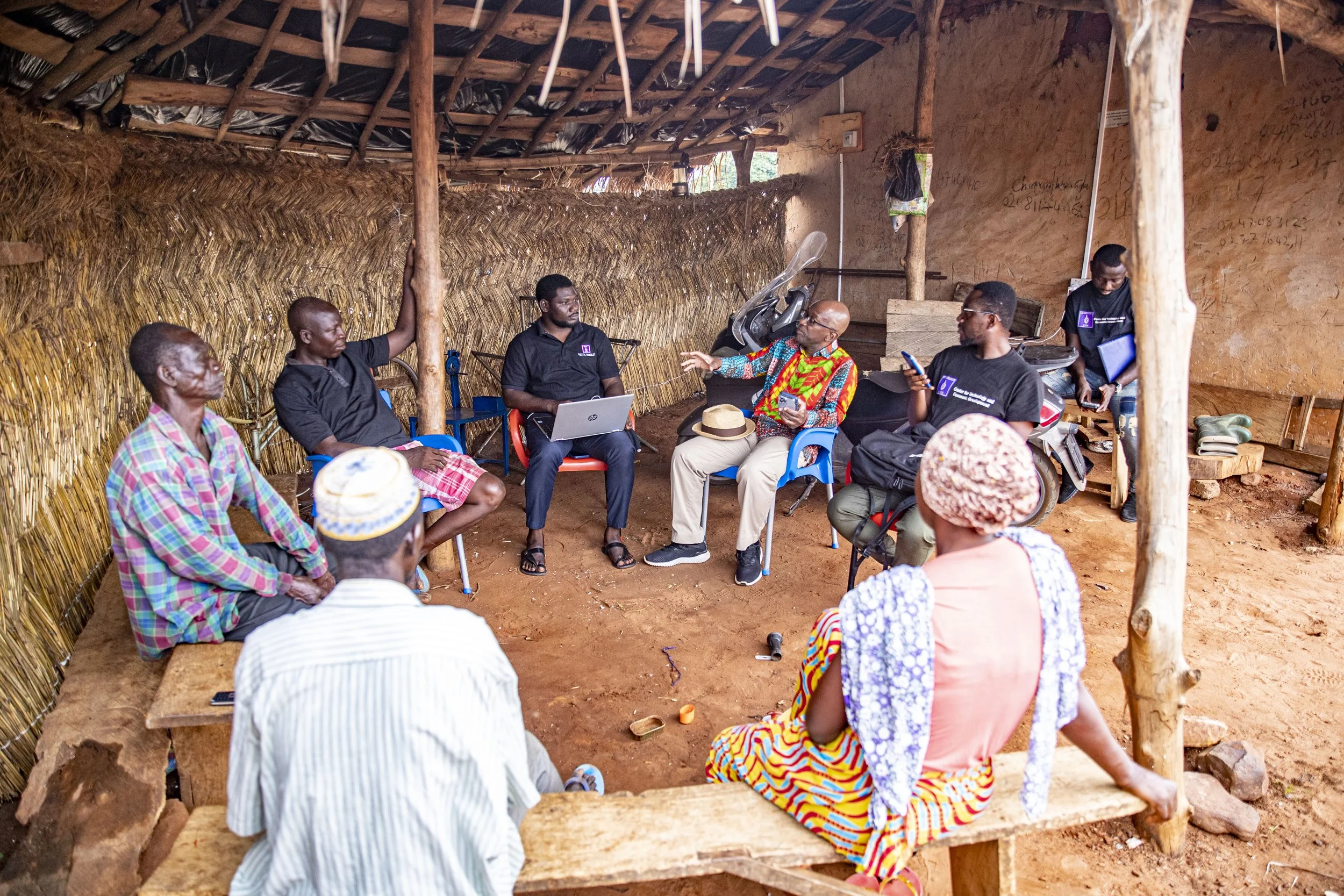
From bilateral trade to centralized markets: A search model for commodity exchanges in Africa
Several African countries have recently centralized their agricultural markets by launching a commodity exchange. What will be the impact of such a move? Who will be the winners and the losers? We develop a simple search model to study the impact of introducing a commodity exchange in a village economy where traders and farmers exchange on a bilateral basis. We study the efficiency gains from moving from the status quo to a trading regime where farmers have the option of selling their produce to a commodity exchange. We describe how the gains from trade are distributed between farmers, traders and the commodity exchange itself. We show that a dual economy where high-cost farmers remain in the bilateral exchange market while low-cost ones sell to the commodity exchange can exist in equilibrium, and that forcing all farmers to sell into the commodity exchange can make some farmers worse off.
Managed Labor Migration in Afghanistan: A Brief Review of the Academic Migration Literature
This paper presents key findings on the international experience with migration, focusing on the implications for a developing nation that is a country of origin. The paper identifies several areas of impacts: (1) increases in wages of individual migrants; (2) remittances; (3) impacts on skills and skill formation – those leaving acquire skills to enhance ability to migrate, and those returning often do so with acquired skills and work experience. Additional impacts also arise on the macroeconomy and on growth of the economy through channels like the use of remittances as collateral, and trade identification and facilitation through migrants. The paper explores the different migration regimes along the spectrum of two polar cases of purely managed and purely unmanaged migration, and focuses on two possible aspects of managed migration: (1) migrants’ social networks, which amplify and propagate the initial actions on migration by the managed systems; and (2) skills and certification systems typically associated with managed systems.
Out-of-Sample Equity Premium Predictability and Sample Split Invariant Inference
For a comprehensive set of 21 equity premium predictors we find extreme variation in out-of-sample predictability results depending on the choice of the sample split date. To resolve this issue we propose reporting in graphical form the out-of-sample predictability criteria for every possible sample split, and two out-of-sample tests that are invariant to the sample split choice. We provide Monte Carlo evidence that our bootstrap-based inference is valid. The in-sample, and the sample split invariant out-of-sample mean and maximum tests that we propose, are in broad agreement. Finally we demonstrate how one can construct sample split invariant out-of-sample predictability tests that simultaneously control for data mining across many variables.

Stock Returns and Future Tense Language in 10-K Reports
This paper shows that firms talking less about the future in their annual reports generate positive abnormal returns of about 5% annually. I measure how much companies talk about the future in their annual 10-K reports by the frequency of the verbs will, shall, and going to. The evidence favors a risk-based interpretation: firms that use less future tense in their report offer higher returns since they are riskier. These results are consistent with finance theories stating that investors need to be rewarded for holding stocks of firms that put less information about the future in the marketplace.

Monopsony Power in Migrant Labor Markets: Evidence from the United Arab Emirates
By exploiting a reform in the United Arab Emirates that relaxed restrictions on employer transitions, we provide new estimates of the monopsony power of firms over migrant workers. Our results show that the reform increased incumbent migrants’ earnings and firm retention. This occurs despite an increase in employer transitions and is driven by a fall in country exits. While the outcomes of incumbents improved, the reform decreased demand for new migrants and lowered their earnings. These results are consistent with a model of monopsony in which firms face upward-sloping labor supply curves for both new recruits in source countries and incumbent migrants.

Transforming Rural Africa - Economics, Technology and Governance
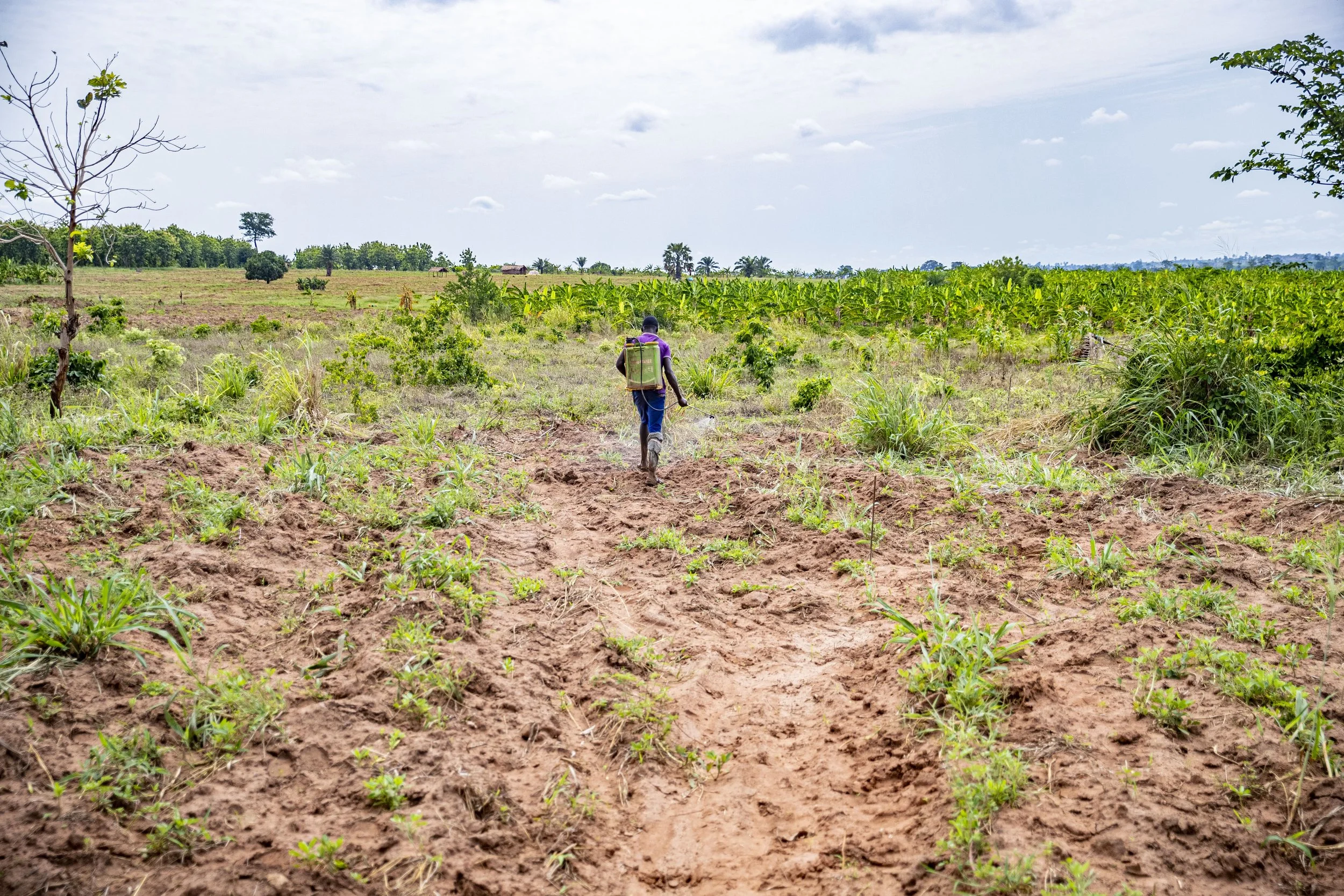
The topic today is a central one in Economics in this era. It is the question of the economic development of Africa’s rural areas. A large number of Africans still reside in areas which are relatively rural and agricultural. Many remain very poor despite increases in world standards of living over the past several decades and very high growth rates in many African nations more recently. A fundamental question in the Economics of Development is the question of what will transform these areas into high producing technologically sophisticated economies.
Satellite Image Analytics, Land Change and Food Security
Changing patterns and reduction in agricultural land are among the fundamental problems that impacts food security in developing regions like India. Rapid economic growth coupled with increasing populations and changes in climatic patterns are among the main factors impacting availability of agricultural land. On a macroscopic scale, due to the lack of good quality data, governments do not have a complete and clear cut picture of changes in land usage patterns. In this paper, we present the design of a satellite image analytics engine that we use to perform a detailed analysis of changes in agricultural land patterns over a 13-year time period (2000-2012) in West Bengal, India, traditionally considered one of the most fertile areas in the world. Our satellite analytics engine can perform a fine-grained analysis of macro-granular satellite images (elevation of 11 km) and classify small portions of land in each image into different categories: agricultural, developed, forest and water bodies. Our analytics engine can analyze temporal changes in land patterns and compute the percentage of change in land under each category. Based on detailed food production data gathered in collaboration with the bureau of statistics of West Bengal, we analyze the correlations between changes in agricultural land patterns and corresponding changes in food production (normalized by change in yield patterns). Our tool can be used at varying levels of spatial granularities ranging from macroscopic analysis at a state level to fine-grained analysis at sub-district levels. This analytics tool is targeted for government and non-governmental policy makers to analyze land pattern changes and correlate them with food security metrics.

Preparing for Ebola Virus Disease in West African Countries Not Yet Affected: Perspectives from Ghanaian Health Professionals
The current Ebola Virus Disease (EVD) epidemic has ravaged the social fabric of three West African countries and affected people worldwide. We report key themes from an agenda-setting, multi-disciplinary roundtable convened to examine experiences and implications for health systems in Ghana, a nation without cases but where risk for spread is high and the economic, social and political impact of the impending threat is already felt.

Our Collaborators